ELIGE TUS LIBROS ¡EL ENVÍO ES GRATIS!*
* Envíos a partir de 18€ para España peninsular, Tenerife, Gran Canaria y Mallorca
Libros de George Berkeley

Obediencia Pasiva Y Otros Escritos
- 272 páginas
- George Berkeley (1685-1753) es, junto con Locke y Hume, uno de los tres famosos empiristas británicos. Es conocido por su idealismo, elaborado a partir de su propuesta inmaterialista, con el que planteó una novedosa manera de entender el...
13,95€13,25€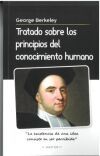
Tratado Sobre Los Principios Del Conocimiento Humano
- 176 páginas
- George Berkeley nació en Dysert, Irlanda, el 12 de marzo de 1685. Miembro de una familia noble, recibió su educación en el Kilkenny College y en el Trinity College de Dublín, donde se tituló como profesor de griego y...
5,90€5,61€
Tratado Sobre Los Principios Del Conocimiento Humano
- 130 páginas
- Tratado sobre los principios del conocimiento humano (1710) es la obra más importante y sistemática de Berkeley. Pertenece al segundo período de la vida del autor el de los viajes y las grandes empresas y fue redactado durante su esta...
17,90€17,00€15,00€14,25€
Principios Del Conocimiento Humano
- A menudo denominado Tratado cuando se habla de la obra de Berkeley, es una obra de 1710 del..
8,47€8,04€
A Treatise Concerning The Principles Of Human Knowledge: George Berkeley
- 58 páginas
- A Treatise Concerning the Principles of Human Knowledge by George Berkeley. A Treatise Concerning the Principles of Human Knowledge (commonly called Treatise when referring to Berkeley's works) is a 1710 work, in English, by Irish Empiricist philosopher...
8,65€8,22€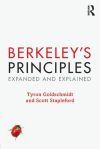
Berkeley’s Principles
- Berkeleys Principles: Expanded and Explained includes the entire classical text of the Treatise Concerning the Principles of Human Knowledge in bold font, a running commentary blended seamlessly into the text in regular font and analytic summaries of each...
69,14€65,68€
The George Berkeley Collection: 5 Classic Works
- George Berkeley was a famous and well respected Irish philosopher during the 18th century. In his..
8,69€8,26€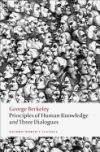
Principles Of Human Knowledge And Three Dialogues
- 288 páginas
- Berkeley's idealism started a revolution in philosophy. As one of the great empiricist thinkers he not only influenced British philosophers from Hume to Russell and the logical positivists in the twentieth century, he also set the scene for the continenta...
13,49€12,81€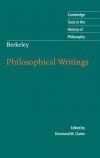
Berkeley: Philosophical Writings
- 338 páginas
- George Berkeley (1685-1753) was a university teacher, a missionary, and later a Church of Ireland bishop. The over-riding objective of his long philosophical career was to counteract objections to religious belief that resulted from new philosophies assoc...
141,96€134,86€18,00€17,10€
Berkeley’s Principles And Dialogues
- 300 páginas
- This volume sets Berkeley's philosophy in its historical context by providing selections from; first, works that deeply influenced Berkeley as he formed his main doctrines; second, works that illuminate the philosophical climate in which those doctrines...
47,95€45,56€
Three Dialogues Between Hylas And Philonous
- 137 páginas
- "A model of what an edition of a philosohic text for an introductory level should be. Introduction does an admirable job of putting Berkeley's thought in the intellectual context of its time." --Gary C. Hatfield
11,80€11,21€
Principles Of Human Knowledge And Three Dialogues Between Hylas And Philonous
- 240 páginas
- Whether viewed as extreme skepticism or enlightened common sense, the writings of Berkeley are a major influence on modern philosophy. Bishop Berkeley (1685-1753) was one of the great British empirical philosophers. He believed that the existence of mater...
16,44€15,62€
A Treatise Concerning The Principles Of Human Knowledge ...
- 151 páginas
- Kenneth Winkler's esteemed edition of Berkeley's Principles is based on the second edition (London, 1734), the last one published in Berkeley's lifetime.
11,80€11,21€