Categorías
Recomendador de libros
Dinos qué te gusta y te recomendamos qué leer
Los libros más deseados
Compra online los libros más deseados por nuestros clientes
Novedades en libros. Diciembre de 2026
Todas las novedades editoriales de diciembre de 2026
Listas de libros recomendados
Novedades, sagas y recomendaciones por temáticas

Nuestras librerías
ELIGE TUS LIBROS ¡EL ENVÍO ES GRATIS!*
* Envíos desde 18€ para España y Portugal peninsulares, Tenerife, Gran Canaria y Mallorca
Libros de Donald Keene
12,95€12,30€
The Winter Sun Shines In: A Life Of Masaoka Shiki
- 248 páginas
- Rather than resist the vast social and cultural changes sweeping Japan in the nineteenth century, the poet Masaoka Shiki (1867-1902) instead incorporated new Western influences into his country's native haiku and tanka verse. By reinvigorating these...
120,90€114,86€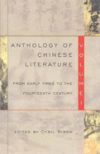
Anthology Of Chinese Literature: Volume I: From Early Times To The Fourteenth Century
- Internationally renowned Chinese literature scholar Cyril Birch was the first to assemble the..
23,21€22,05€
Modern Japanese Diaries: The Japanese At Home And Abroad As Revealed Through Their Diaries
- 534 páginas
- This is a collection of journals written by Japanese men and women--from samurai and other government officials to novelists and poets--who journeyed to America, Europe, and China between 1860 and 1920. The diaries faithfully record personal views of the...
50,78€48,24€
Dawn To The West: Japanese Literature Of The The Modern Era
- 698 páginas
- The fourth book in a multivolume history of modern Japanese literature by one of the world's most accomplished translators and scholars of Japanese culture and literature, this volume offers unparalleled insight into Japanese poetry, drama, and criticism....
66,50€63,17€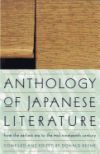
Anthology Of Japanese Literature: From The Earliest Era To The Mid-nineteenth Century
- 442 páginas
- The sweep of Japanese literature in all its great variety was made available to Western readers for the first time in this anthology. Every genre and style, from the celebrated No plays to the poetry and novels of the seventeenth century, find a place...
19,34€18,38€
Chronicles Of My Life: An American In The Heart Of Japan
- "I sometimes think that if, as the result of an accident, I were to lose my knowledge of..
22,32€21,20€
So Lovely A Country Will Never Perish: Wartime Diaries Of Japanese Writers
- 216 páginas
- The attack on Pearl Harbor, which precipitated the Greater East Asia War and its initial triumphs, aroused pride and a host of other emotions among the Japanese people. Yet the single year in which Japanese forces occupied territory from Alaska to Indones...
24,13€22,92€
The Japanese Discovery Of Europe, 1720 - 1830
- Originally published in 1952, this account of the growth and uses of Western learning in Japan has been enlarged by two new chapters that extend the story from 1798 to 1830. The author has incorporated the results of recent research by scholars in Japan...
226,01€214,71€
Dawn To The West: Japanese Literature In The Modern Era
- 1329 páginas
- This is the third book in a multivolume history of modern Japanese literature by the world's authoritative translator and scholar of Japanese culture and literature. The Columbia paperback edition, with Donald Keene's new preface, includes an introduction...
62,33€59,21€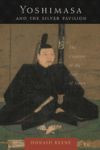
Yoshimasa And The Silver Pavilion
- 224 páginas
- Yoshimasa may have been the worst shogun ever to rule Japan. He was a failure as a soldier,..
38,69€36,75€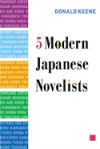
Five Modern Japanese Novelists
- 144 páginas
- A superb introduction to modern Japanese fiction as well as a memoir of his own love affair with Japanese literature and culture, this volume consists of chapters on five modern Japanese novelists whom Donald Keene knew personally: Yasunari Kawabata, Yuki...
32,65€31,01€
Emperor Of Japan
- 928 páginas
- When Emperor Meiji began his rule, in 1867, Japan was a splintered empire, dominated by the shogun and the daimyos, who ruled over the country's more than 250 decentralized domains and who were, in the main, cut off from the outside world, staunchly...
30,62€29,09€
Sources Of Japanese Tradition 1600 To 2000
- 1448 páginas
- Beginning with documents from the founding of the Tokugawa shogunate, the collections essays, manifestos, religious tracts, political documents, and memoirs reflect major Japanese religious, philosophical , social and political movements.
88,10€83,69€
World Within Walls
- 606 páginas
- Concentrating on the pre-modern era between 1600 and 1867, this text provides a definitive history of Japanese literature. The text treats each of the new, popular genres that arose, including haiku, Kabuki, and the witty, urbane prose of the newly ascend...
60,46€57,43€
Travelers Of A Hundred Ages: The Japanese As Revea
- 482 páginas
- Essays on Japanese diaries written from the ninth to the nineteenth centuries present a literary history of the art of journal writing in Japan while providing insight into Japanese life and culture
50,78€48,24€
N? ; And, Bunraku
- 199 páginas
- Donald Keene combines informative works on two forms of classical Japanese theater into a single volume. The No text looks at all aspects of this traditional theater form including its history, its stage and props, the use of music and dance in its perfor...
43,52€41,35€
Chushingura: The Treasury Of Loyal Retainers
- 183 páginas
- Chushingura (The Treasury of Loyal Retainers), also known as the story of the Forty-Six (or Forty-Seven) Ronin, is the most famous and perenially popular of all Japanese dramas. Written around 1748 as a puppet play, it is now better know in Kabuki perform...
36,28€34,46€
The Japanese Discovery Of Europe, 1720-1830
- 272 páginas
- This is an account of the growth and uses of Western learning in Japan from 1720 to 1830. These are the dates of the beginning of official interest in Western learning and of the expulsion of Siebold from the country, the first stage of a crisis that coul...
34,82€33,08€
Death In Midsummer, And Other Stories
- 192 páginas
- Recognized throughout the world for his brilliance as a novelist and playwright, Yukio Mishima is also noted as a master of the short story in his native Japan. Here nine of his finest stories, selected by Mishima himself, represent his extraordinary abil...
15,42€14,65€