Categorías
Recomendador de libros
Dinos qué te gusta y te recomendamos qué leer
Los libros más deseados
Compra online los libros más deseados por nuestros clientes
Novedades en libros. Diciembre de 2026
Todas las novedades editoriales de diciembre de 2026
Listas de libros recomendados
Novedades, sagas y recomendaciones por temáticas

Nuestras librerías
ELIGE TUS LIBROS ¡EL ENVÍO ES GRATIS!*
* Envíos desde 18€ para España y Portugal peninsulares, Tenerife, Gran Canaria y Mallorca
Libros de Albert Camus

The Myth Of Sisyphus
- 160 páginas
- A Nobel Prize-winning author delivers one of the most influential works of the twentieth century, showing a way out of despair and reaffirming the value of existence.
13,47€12,79€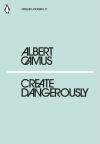
Create Dangerously
- 64 páginas
- Camus argues passionately that the artist has a responsibility to challenge, provoke and speak up for those who cannot in this powerful speech, accompanied here by two others.
4,79€4,55€
The Stranger: The Graphic Novel
- 144 páginas
- A visually stunning adaptation of Albert Camus' masterpiece that offers an exciting new graphic interpretation while retaining the book's unique atmosphere.
25,10€23,84€
Algerian Chronicles
- 240 páginas
- More than fifty years after Algerian independence, Albert Camusâ Algerian Chronicles appears here in English for the first time. Published in France in 1958, the same year the Algerian War brought about the collapse of the Fourth French...
19,01€18,06€
Modern Classics The Outsider
- 128 páginas
- In The Outsider (1942), his classic existentialist novel, Camus explores the alienation of an individual who refuses to conform to social norms. Meursault, his anti-hero, will not lie. When his mother dies, he refuses to show his emotions simply to satisf...
13,25€12,59€14,09€13,39€7,99€7,59€
Resistance, Rebellion, And Death: Essays
- In the speech he gave upon accepting the Nobel Prize for Literature in 1957, Albert Camus said that
16,44€15,62€
The Rebel: An Essay On Man In Revolt
- By one of the most profoundly influential thinkers of our century, The Rebel is a classic essay on..
15,26€14,49€12,00€11,40€7,49€7,11€13,60€12,92€16,99€16,14€12,00€11,40€
The Outsider
- 128 páginas
- Albert Camus was born in Algeria in 1913. He studied philosophy in Algiers and then worked in Paris as a journalist. He was one of the intellectual leaders of the Resistance movement and, after the War, established his international reputation as a w
13,81€13,12€
The Plague
- 304 páginas
- Albert Camus was born in Algeria in 1913. He studied philosophy in Algiers and then worked in Paris as a journalist. He was one of the intellectual leaders of the Resistance movement and, after the War, established his international reputation as a w
10,60€10,07€13,83€13,14€12,00€11,40€
Great Ideas The Fastidious Assassins
- 128 páginas
- A daring critique of communism and how it had gone wrong behind the Iron Curtain, Camusâ essay examines the revolutions in France and Russia, and argues that since they were both guilty of producing tyranny and corruption, hope for the...
8,65€8,22€
Neither Victims Nor Executioners
- 74 páginas
- Endorsements:"The reissue of Camusâ seminal essay, âNeither Victims nor Executioners,â could hardly be more timely. In Iraq and Afghanistan, the hideous march to oblivion goes on apace. America...
12,86€12,22€