Categorías
Recomendador de libros
Dinos qué te gusta y te recomendamos qué leer
Los libros más deseados
Compra online los libros más deseados por nuestros clientes
Novedades en libros. Noviembre de 2026
Todas las novedades editoriales de noviembre de 2026
Listas de libros recomendados
Novedades, sagas y recomendaciones por temáticas

Nuestras librerías
ELIGE TUS LIBROS ¡EL ENVÍO ES GRATIS!*
* Envíos desde 18€ para España y Portugal peninsulares, Tenerife, Gran Canaria y Mallorca
Libros de Aristófanes
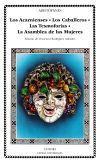
Los Acarnienses; Los Caballeros; Las Tesmoforias; La Asamblea De Mujeres
- 272 páginas
- " Los Acarnienses " es el primer alegato de Aristófanes a favor de la paz en la guerra del Peloponeso; " Los Caballeros " es un ataque frontal contra Cleón, el demagogo ateniense jefe del partido belicista; " Las...
15,95€15,16€2000,00€1900,00€10,00€9,50€15,00€14,25€12,50€11,88€
103. Comedias Completas, 2 Vols.
- 460 páginas
- Dentro del gran cuadro del teatro griego, de la época clásica, Aristófanes representa una de las principales figuras, y en el género de la comedia, la más destacada. Renovador del género, ha merecido ser reconocid...
21,50€20,42€14,00€13,30€
The Frogs Of Aristophanes, With Notes Critical And Explanatory
- The Frogs of Aristophanes is a classic Greek comedy play written by Aristophanes. The play follows..
31,22€29,66€
The Frogs
- The Frogs follows interpersonal conflicts between men and women, Greek gods, and the natural and supernatural. Using extraordinary circumstances, the author provides commentary on multiple public figures spanning religion, politics and literature.
3,39€3,22€
Lysistrata
- 50 páginas
- Lysistrata and Other Plays centers a disgruntled woman whose attempt to end a war takes the battle from an open field to the soldier's bedroom. Wives from both camps deny their husbands basic affection in an effort to quell the violence.
4,72€4,49€
Birds And Other Plays
- 384 páginas
- This new verse translation of Aristophanes' comedies offers one of the world's great comic..
11,55€10,98€
Lysistrata, The Women’s Festival, And Frogs
- Most readers nowadays encounter the plays of Aristophanes in the classroom, not the theater. Yet the "father of comedy" wrote his plays for the stage, not as literary texts. Many English translations of the plays were written decades ago, and...
49,70€47,22€
Caballeros
- DEMÓSTENES: De todos ellos, tú serás el caudillo, y del agora, y de los puertos, y de la Pnyx. Pisotearás a la Asamblea, destruirás a los estrategos, encadenarás, encarcelarás y en el Pritaneo.. fornicar&aa...
15,00€14,25€
The Clouds
- The Clouds can be considered not only the worldâs first extant âcomedy of ideasâ but also a brilliant and successful example of that genre. The play gained notoriety for its caricature of the philosoph...
26,89€25,55€
Plutus
- The play features an elderly Athenian citizen, Chremylos, and his slave Cario or Carion. Chremylos presents himself and his family as virtuous but poor, and has accordingly gone to seek advice from an oracle.
26,89€25,55€
The Frogs
- The Frogs tells the story of the god Dionysus, despairing of the state of Athensâ tragedians, and allegedly recovering from the disastrous Battle of Arginusae. He travels to Hades to bring Euripides back from the dead. He brings along...
26,89€25,55€
The Acharnians
- The play is notable for its absurd humour, its imaginative appeal for an end to the Peloponnesian War and for the authorâs spirited response to condemnations of his previous play, The Babylonians, by politicians such as Cleon, who had...
26,89€25,55€
Peace
- The play is notable for its joyous anticipation of peace and for its celebration of a return to an idyllic life in the countryside. However, it also sounds a note of caution, there is bitterness in the memory of lost opportunities and the ending is not...
26,89€25,55€
The Ecclesiazusae -0r- Women In Council
- The play concerns a group of women, the leader of which is Praxagora. She has decided that the women must convince the men to give them control of Athens, because they could rule it better than they have been. The women, in the guise of men, sneak into...
23,99€22,79€
The Birds
- 50 páginas
- Unlike the authorâs other early plays, it includes no direct mention of the Peloponnesian War and there are few references to Athenian politics, and yet it was staged not long after the commencement of the Sicilian Expedition, an ambitio...
26,89€25,55€